


-

Add: HeBei ShengShi HongBang Cellulose Technology CO.,LTD.
-

Email
13180486930@163.com -

CONTACT US
+86 13180486930


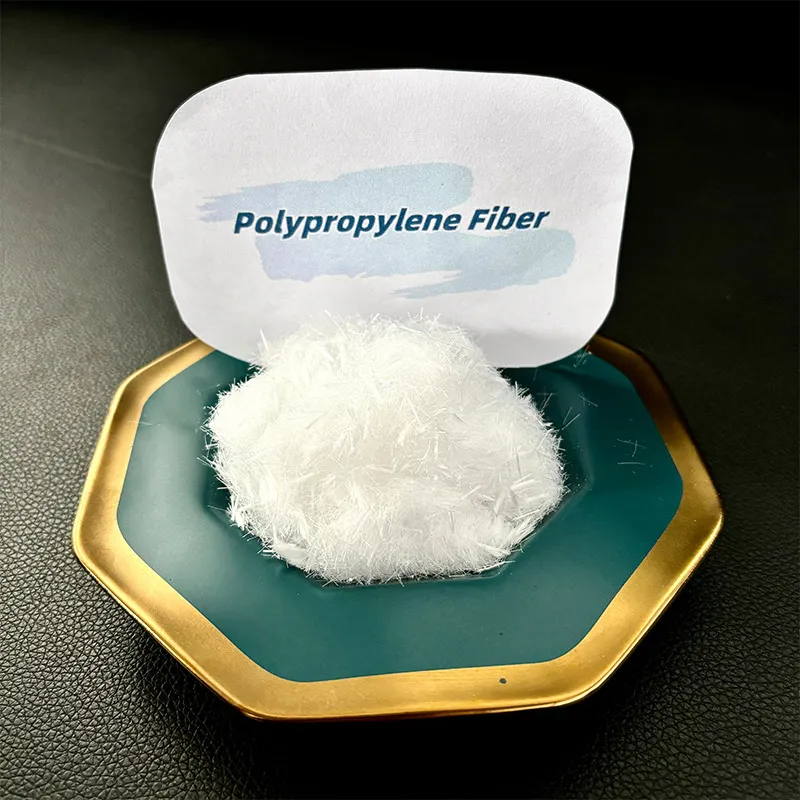
Polypropylene fiber is a versatile, durable material that is used in a variety of applications across multiple industries. Known for its excellent resistance to wear, moisture, and chemicals, polypropylene fiber provides strength, flexibility, and longevity to the products it’s used in. Whether you're in the construction, textile, or automotive industry, polypropylene fiber can improve the overall quality of your products. From reinforcing concrete to enhancing fabric durability, polypropylene fiber is the perfect solution for creating high-performance, long-lasting materials. Discover the benefits of polypropylene fiber and see how it can elevate your product offerings. Explore the Many Polypropylene Fiber Uses in Various Industries Polypropylene fiber uses are wide-ranging and highly valuable across many sectors. In the construction industry, polypropylene fiber is often used to reinforce concrete, improving its tensile strength and reducing the likelihood of cracks. This type of fiber also helps prevent shrinkage and enhances the durability of the material. Polypropylene fiber uses extend to textiles, where it is used in carpets, upholstery, and clothing due to its ability to resist moisture and stains. The automotive industry also benefits from polypropylene fiber , which is used in interior parts and insulation materials. By incorporating polypropylene fiber into your products, you can enhance their performance, durability, and overall quality. Get the Best Polypropylene Fiber Price for Your Needs When sourcing polypropylene fiber , understanding the polypropylene fiber price is key to maintaining your budget while ensuring top quality. The polypropylene fiber price varies based on factors such as the type of fiber, quantity, and specific application. However, we offer highly competitive prices that allow you to get the best value for your investment. Whether you're purchasing in bulk or small quantities, our pricing is designed to meet your needs without compromising on quality. We aim to provide affordable, high-performance polypropylene fiber that delivers exceptional results for your business. Contact us today to learn more about polypropylene fiber price and how we can help you save on your next order. Work with Trusted Polypropylene Fiber Suppliers for Consistent Quality Choosing the right polypropylene fiber suppliers is essential to ensuring that you receive a reliable, high-quality product. As one of the leading polypropylene fiber suppliers , we provide a wide range of polypropylene fiber s tailored to various applications. Our fibers are produced using advanced technologies and undergo stringent quality control to ensure consistency and performance. We understand the importance of delivering products that meet your specifications, which is why we work closely with you to offer customized solutions that suit your needs. Partner with us as your trusted polypropylene fiber suppliers and benefit from our reliable service, fast shipping, and top-tier products. Why Choose Us for Your Polypropylene Fiber Needs? When it comes to sourcing polypropylene fiber , we are your go-to partner for reliable, high-performance products at the best polypropylene fiber price . As experienced polypropylene fiber suppliers , we offer a wide range of products for diverse industries such as construction, textiles, and automotive. Our commitment to quality, customer satisfaction, and competitive pricing sets us apart from the competition. Whether you need polypropylene fiber for a large-scale project or a smaller specialized order, we have the expertise and resources to meet your needs. Choose us for all your polypropylene fiber requirements and experience unmatched quality and service.
- 40000tons

Production
- 20+years

Experience
- 5000+㎡

Acreage

-
In the dynamic world of construction and infrastructure, material performance is the foundation of long-term durability. Among various reinforcement materials available in the market, polypropylene fiber for sale has emerged as a preferred solution for enhancing the tensile strength, cracking resistance, and overall resilience of cementitious materials. Whether in industrial floors, precast structures, shotcrete, or overlays, polypropylene fiber offers unmatched performance at a reasonable cost. The widespread use of polypropylene fiber for sale is due to its high chemical resistance, low density, and excellent dispersibility in concrete and mortar systems. Unlike steel fibers, polypropylene fibers are non-corrosive, lightweight, and much easier to transport and mix. As a result, they are an ideal alternative for both temporary and permanent structural applications where long-term crack control and durability are essential. Contractors, civil engineers, and builders around the globe are now turning to polypropylene fiber for sale not only for its technical benefits but also for its economic viability. From residential projects to large-scale infrastructure development, this material meets the growing demand for sustainable and long-lasting construction techniques. What Makes Polypropylene Fiber Essential for Modern Construction? Polypropylene fiber is a synthetic monofilament or fibrillated material made from 100% polypropylene, known for its exceptional strength-to-weight ratio. As a secondary reinforcement, it plays a crucial role in reducing plastic shrinkage cracking, increasing impact resistance, and improving the abrasion performance of concrete structures. Its hydrophobic nature ensures excellent moisture resistance, making polypropylene fiber an ideal additive for environments exposed to varying levels of humidity or water penetration. Once mixed with concrete, the fiber forms a three-dimensional matrix that helps distribute stress throughout the composite, significantly reducing microcrack propagation and surface degradation. One of the key advantages of polypropylene fiber is its versatility. It is widely used in tunnels, dams, bridges, pavements, shotcrete applications, and even decorative concrete surfaces. In addition to structural benefits, it also improves fire resistance by minimizing explosive spalling under high temperatures, making it valuable in fireproofing solutions. Unlike steel fibers that may corrode or clump together, polypropylene fiber is chemically inert and has excellent compatibility with other admixtures, including retarders, accelerators, and plasticizers. This compatibility ensures predictable behavior across a wide range of environmental conditions and mix designs. How Polypropylene Fiber Manufacturers Ensure Consistent Quality and Performance Selecting the right supplier is critical to achieving optimal results. Leading polypropylene fiber manufacturers implement advanced production techniques to ensure fiber uniformity, length control, and performance consistency. These manufacturers focus on producing fibers with controlled aspect ratios, tensile strengths exceeding 400 MPa, and elongation properties suitable for high-performance concrete applications. Reputable polypropylene fiber manufacturers follow rigorous quality control protocols, adhering to international standards such as ASTM C1116, EN 14889, and ISO certifications. These standards ensure that each fiber batch delivers the intended performance benefits when added to the final product. Manufacturers today are not just suppliers—they are solution providers. Many offer technical assistance to clients, helping them optimize mix designs, determine appropriate dosage levels, and conduct on-site training. Some advanced manufacturers even offer customized fiber grades tailored for specific applications, such as shotcrete or high-strength concrete overlays. Sustainability is another key focus of modern polypropylene fiber manufacturers . Many suppliers use recycled polypropylene in their production lines, aligning with global efforts to reduce construction waste and carbon emissions. As environmental concerns continue to shape industry practices, these manufacturers play a vital role in delivering both performance and responsibility. Analyzing Polypropylene Fibre Cost in a Competitive Market Understanding the dynamics behind polypropylene fibre cost is essential for procurement teams and project managers seeking the best value without compromising on quality. The cost of polypropylene fiber is influenced by several factors, including raw material prices (especially crude oil derivatives), production technology, fiber type (monofilament, fibrillated, or embossed), and packaging. On average, polypropylene fibre cost ranges between $2.00 to $4.00 per kilogram, depending on the performance grade and order volume. Premium grades with higher tensile strength, heat resistance, or specific dimensional properties may fall at the upper end of this spectrum. However, even at the higher price points, the cost-effectiveness of the material is apparent when factoring in reduced cracking, lower maintenance needs, and extended service life of the concrete. It is important to consider that polypropylene fibre cost is not merely a function of price per kilogram. The actual cost-effectiveness must be evaluated based on the fiber’s performance in the application. For instance, a slightly more expensive fiber with better dispersibility might reduce the required dosage, leading to overall savings on the material and labor fronts. Many polypropylene fiber manufacturers offer sliding-scale pricing models for bulk orders, annual contracts, or long-term supply partnerships. This flexibility allows buyers to control costs while maintaining consistency in supply and product quality. Additionally, purchasing from integrated manufacturers who manage the entire value chain—from raw material processing to final packaging—can often result in better pricing stability and reduced procurement risks. Where to Find Reliable Polypropylene Fiber for Sale Today As the global construction market continues to grow, the demand for polypropylene fiber for sale remains robust. Buyers looking for dependable sources should focus on manufacturers and suppliers with a proven track record of performance, international certifications, and a clear understanding of application-specific needs. Many reputable polypropylene fiber manufacturers have established strong distribution networks worldwide, ensuring timely delivery and local technical support. These suppliers often offer a range of fiber types, including macro synthetic fibers for structural reinforcement and microfibers for shrinkage control, giving customers the flexibility to choose the most appropriate solution. In addition to quality, logistics and after-sales support are key differentiators. Top-tier suppliers offer sample testing, customized packaging options, and prompt assistance for any technical issues that may arise during product integration. Some also provide digital platforms that allow clients to track shipments, download technical data sheets, and access training materials, streamlining the procurement and application processes. Today’s market offers a wealth of opportunities to source polypropylene fiber for sale at competitive rates. However, buyers should look beyond price and focus on long-term performance, quality assurance, and the reputation of the supplier. Doing so ensures consistent concrete performance and maximized return on investment over the lifecycle of the construction project. Polypropylene fiber FAQs What are the main benefits of using polypropylene fiber in concrete? Polypropylene fiber improves the tensile strength, crack resistance, and durability of concrete. It forms a three-dimensional network within the mix, minimizing plastic shrinkage and surface cracking. Additionally, it enhances impact resistance, freeze-thaw performance, and reduces permeability, all contributing to longer service life in challenging environments. How does polypropylene fibre cost compare with steel fiber reinforcement? Polypropylene fibre cost is generally lower than steel fibers when considering material cost alone. However, the real advantage lies in its lightweight nature, non-corrosive properties, and ease of handling, which reduce transportation and labor costs. In many applications, polypropylene fibers provide similar performance at a fraction of the total installed cost. What dosage of polypropylene fiber is recommended for concrete reinforcement? Dosage depends on the fiber type and application. For microfibers used for shrinkage control, the typical dosage ranges from 0.6 to 1.2 kg per cubic meter. For structural macro fibers, dosages can range from 3 to 6 kg per cubic meter. It’s important to follow supplier recommendations and conduct performance testing to determine the optimal amount. Can polypropylene fiber be used in shotcrete applications? Yes, polypropylene fiber is commonly used in shotcrete, especially in tunneling, mining, and slope stabilization projects. It improves cohesion, reduces rebound loss, and enhances surface finish. Additionally, its non-metallic nature makes it suitable for applications requiring corrosion resistance and long-term durability. Are all polypropylene fiber manufacturers the same in terms of quality and service? No, the quality and reliability of polypropylene fiber manufacturers can vary significantly. Reputable suppliers adhere to international standards, offer comprehensive technical support, and maintain strict quality control during production. When sourcing fiber, it's essential to evaluate the supplier’s track record, certifications, and willingness to provide performance data or samples for evaluation.
-
The Use of Polypropylene Fibre in Concrete Enhancing Durability and Performance Concrete is one of the most widely used construction materials in the world, renowned for its strength and durability. However, traditional concrete has inherent limitations, such as brittleness and susceptibility to cracking. To address these weaknesses, engineers and researchers have explored various methods of enhancing concrete's performance, one of which is the incorporation of polypropylene fibres. This article delves into the benefits of polypropylene fibre concrete, its applications, and its role in modern construction practices. Understanding Polypropylene Fibres Polypropylene is a thermoplastic polymer often used in a variety of applications, including packaging, textiles, and automotive components. When used as a reinforcement material in concrete, polypropylene fibres help improve the material's overall properties. These fibres are typically available in lengths ranging from 6 mm to 19 mm, depending on the specific application. Their lightweight and durable nature contribute significantly to enhancing the performance of concrete. Benefits of Polypropylene Fibre Concrete 1. Crack Control One of the most significant advantages of incorporating polypropylene fibres into concrete is their ability to control cracking. Traditional concrete can develop micro-cracks due to shrinkage, thermal changes, and stress loads. Polypropylene fibres help to inhibit the growth of these cracks by redistributing stresses within the concrete matrix. This results in improved crack resistance, particularly in thin slabs and surfaces exposed to environmental conditions. 2. Improved Impact Resistance Polypropylene fibre-reinforced concrete exhibits enhanced impact resistance compared to conventional concrete. The presence of fibres helps to absorb and dissipate energy, making the material less prone to failure under sudden loads. This property is particularly valuable in applications where high-impact forces are expected, such as in industrial flooring and pavement. 3. Increased Durability The addition of polypropylene fibres can significantly improve the durability of concrete. The fibres reduce the permeability of the concrete, thereby limiting the ingress of harmful chemicals, water, and chloride ions that can lead to corrosion of reinforcement bars. This characteristic is vital for structures exposed to harsh environmental conditions, such as marine environments or areas with high road salt usage. polypropylene fibre concrete 4. Enhanced Flexural Strength Polypropylene fibres contribute to improved flexural strength of concrete. Their presence allows for better load distribution, reducing the likelihood of bending and deformation under stress. This enhanced strength can be particularly crucial in applications such as bridges and parking structures, where load-bearing capacity is essential. 5. Reduction in Construction Costs By improving concrete’s durability and longevity, the use of polypropylene fibres often leads to reduced maintenance and repair costs over time. Furthermore, the ability to use thinner slabs without compromising performance can expedite construction processes and reduce material costs . Applications of Polypropylene Fibre Concrete The versatility of polypropylene fibre concrete makes it suitable for a multitude of applications. Its properties are particularly beneficial in - Industrial Flooring High-impact and heavy-load industrial environments benefit immensely from the use of polypropylene fibre-reinforced concrete. - Pavement and Roads The enhanced crack resistance and durability provided by polypropylene fibres help extend the lifespan of pavements and roads, thus improving safety and reducing repair frequencies. - Precast Concrete Products The use of fibres in precast products allows for thinner and lighter components without sacrificing performance, making transportation and installation easier. - Shotcrete Applications In tunneling and mining, polypropylene fibres are commonly used in shotcrete to improve stability and reduce rebound. Conclusion The integration of polypropylene fibres into concrete represents a significant advancement in construction technology. The ability to enhance fundamental properties such as crack resistance, impact strength, and durability makes polypropylene fibre concrete an attractive option for modern construction projects. As the industry continues to evolve, the adoption of such innovative solutions will likely become even more common, yielding structures that are not only stronger but also more sustainable in the long run.
advantages
-

200000 Viscosities
Excellent product
We can produce pure products up to 200,000 viscosities
-

40000 tons
High yield
We don’t stop production all year round, and the annual output can reach 40,000 tons
-

24 hours
Quality service
We provide 24-hours online reception service, welcome to consult at any time
———— Inquiry Form
Schedule A services

-
 fibre_reinforcement
Oct . 25, 2025
Tylose HPMC, commonly known as Hydroxypropyl Methylcellulose, is a multifunctional ingredient that c -
 nylon_synthetic_fiber
Oct . 25, 2025
The Rise of Manufactured Synthetic Fibers Transforming the Textile Industry In today’s modern world, -
 polvo_de_latex_redispersable
Oct . 25, 2025
The Significance of Nylon Fiber in Modern Textiles Nylon fiber, first introduced in the 1930s, revol


